TIKI Safety display image

Domande e risposte frequenti (FAQ)

Qui troverai le risposte alle domande più frequenti sui nostri prodotti, sulle consegne, sulle garanzie e sull'assistenza. Clicca su una categoria qui sotto per andare direttamente a ciò che cerchi, oppure continua a sfogliare.

TIKI start & pro – uso industriale

Quanto pesa un respiratore TIKI completo?

Un TIKI completo pesa solo 360 grammi.

Come si crea la pressione positiva in TIKI?

Grazie a una ventola che regola il flusso d'aria in base al ritmo respiratorio dell'utente, prolungando la durata della batteria e riducendo il consumo dei filtri

Di cosa è composto TIKI?

La nostra mascherina protettiva è realizzata in PET-G e TPE.

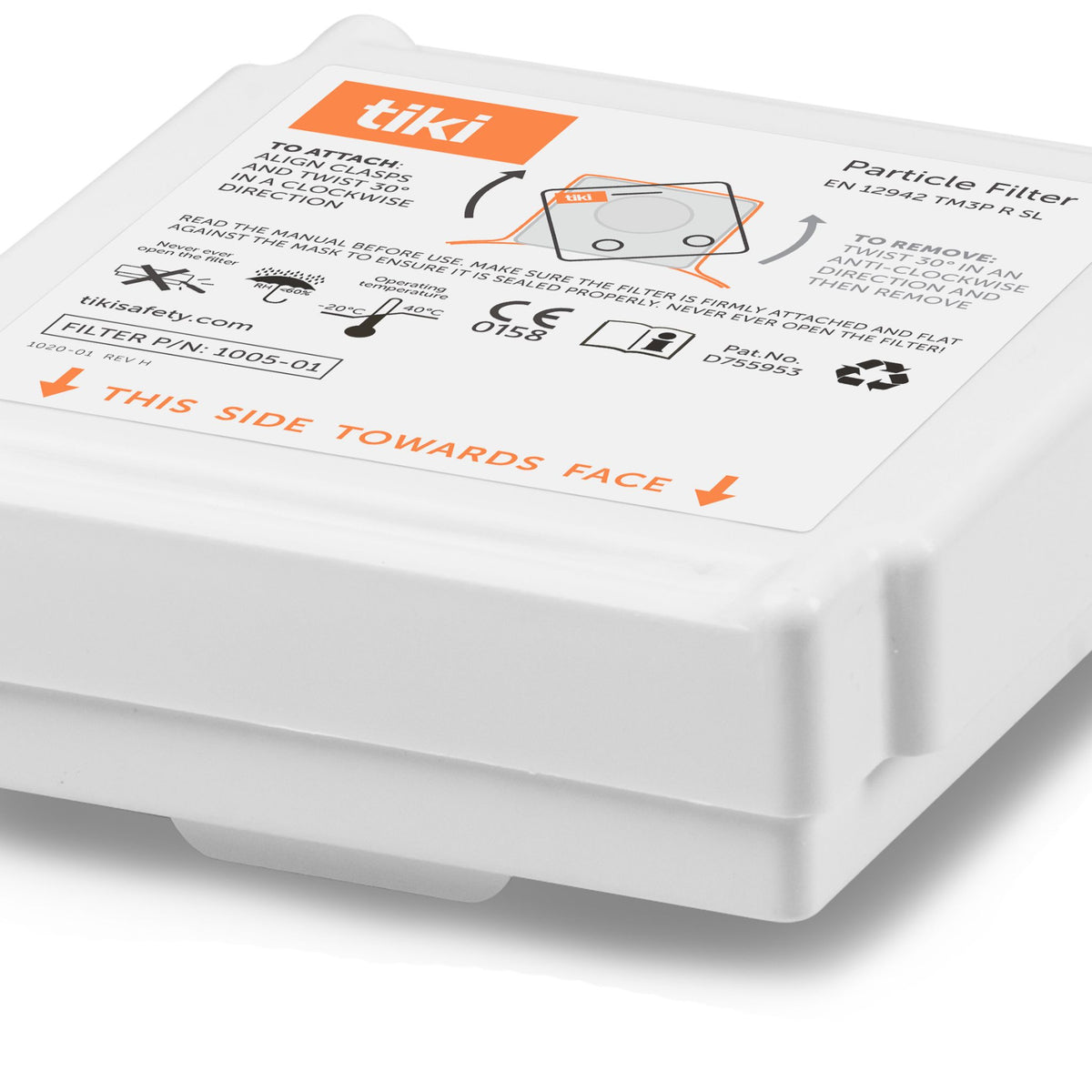
Da cosa protegge il filtro?

Il filtro protegge da tutti i tipi di particelle inquinanti (P3), come polvere di quarzo, amianto e batteri.

Con quale frequenza devo sostituire il filtro?

Dipende dall'ambiente di utilizzo. Ad esempio, un artigiano che utilizza TIKI alcune volte alla settimana potrebbe dover sostituire il filtro ogni 20-120 giorni, mentre nella sabbiatura potrebbe essere necessario sostituirlo ogni due o cinque giorni.

Qual è la durata della batteria?

Fino a 2,5 ore con la batteria integrata e fino a 10 ore con la batteria esterna (accessorio)

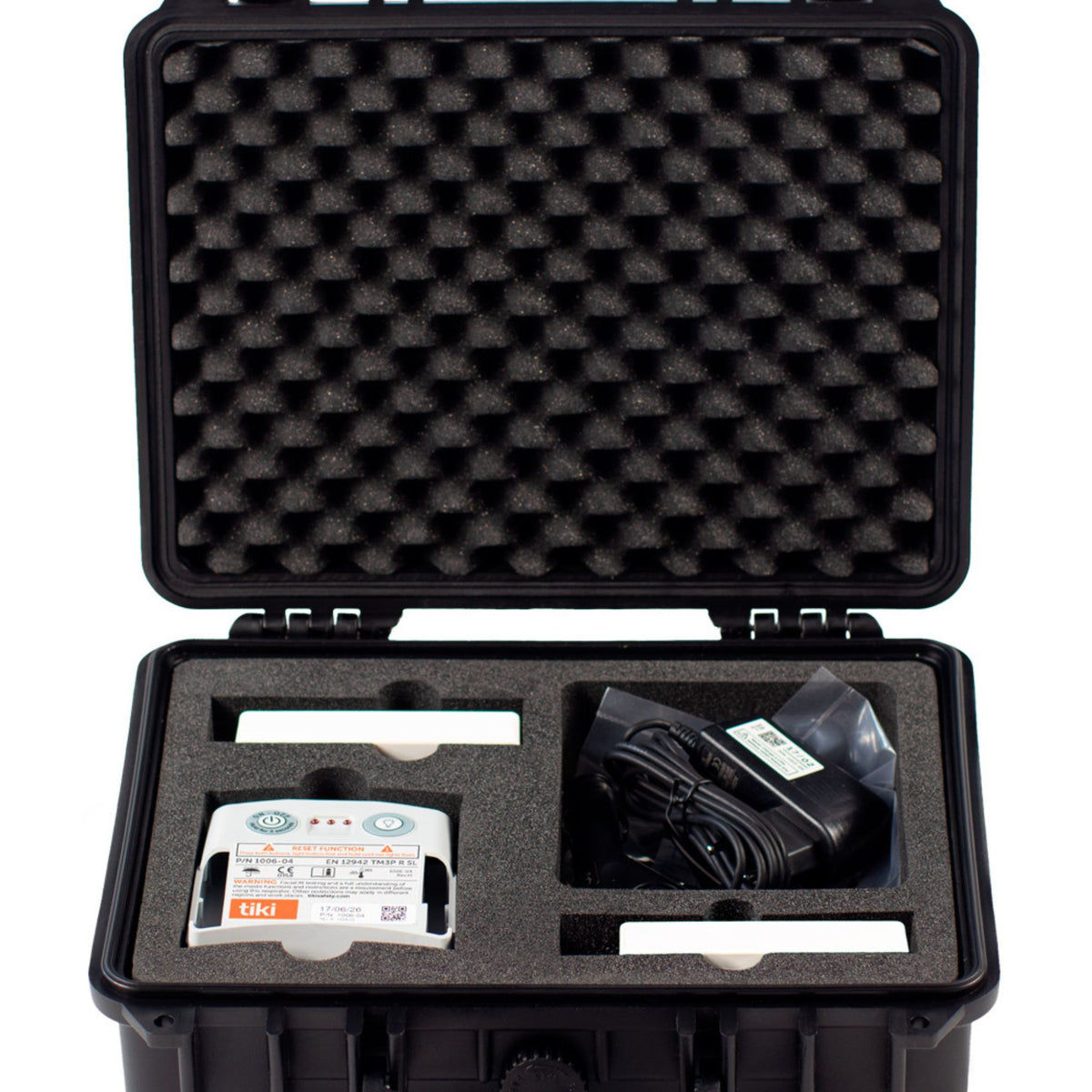
Come si ricarica la batteria?

Con il caricatore in dotazione (220/110 V) o con un caricatore da 12 V (accessorio) che si inserisce nella presa accendisigari dell'auto.

Come faccio a sapere quando è il momento di sostituire il filtro o ricaricare la batteria?

TIKI ha tre sistemi di allarme integrati: 1) Quando il filtro antiparticolato deve essere sostituito o è intasato. 2) Quando la batteria è scarica e deve essere ricaricata. 3) Se la maschera non è a tenuta stagna o presenta perdite.

Dove viene prodotto TIKI?

Nel nostro stabilimento di Upplands-Bro, nei pressi di Stoccolma, in Svezia.

Come scegliere la taglia giusta di TIKI?

TIKI è disponibile in tre taglie: Small, Medium e Large. Per trovare la taglia giusta, consulta la guida alle taglie di TIKI.

Cosa devo fare se il ventilatore è rumoroso?

Se il ventilatore emette un rumore insolito, è possibile che la protezione per il respiro non sia sigillata correttamente. Verificare che TIKI sia posizionato correttamente e che sia della misura giusta.

Posso utilizzare TIKI in ambienti umidi?

TIKI non deve essere immerso in acqua. TIKI è l'unico PAPR al mondo che è stato testato e può essere utilizzato nelle docce di decontaminazione.

Come conservare TIKI in caso di inutilizzo prolungato?

Grazie alla capacità superiore delle batterie LiPo, TIKI può essere conservato per lunghi periodi. Contattaci per consigli su come ricaricare al meglio le batterie.

Dove posso trovare le specifiche tecniche?

Le specifiche tecniche sono riportate nel manuale d'uso scaricabile dal nostro sito web.

Come posso contattare l'assistenza?

Per domande relative all'assistenza, inviare un'e-mail all'indirizzo support@tikisafety.com.

TIKI medical & uso sanitario

Domande frequenti sul nostro respiratore assistito da ventilatore per l'assistenza sanitaria, l'assistenza infermieristica e i laboratori.
Cosa distingue TIKI Medical dagli altri dispositivi di protezione respiratoria?

TIKI Medical è una maschera a pressione positiva che filtra sia l'aria inspirata che quella espirata, rendendola particolarmente adatta ad ambienti con elevati requisiti igienici, come strutture sanitarie, reparti infettivi e laboratori. TIKI protegge sia l'utente che l'ambiente circostante.

Qual è il livello di protezione di TIKI?

TIKI Medical ha un grado di protezione P3, che garantisce la massima protezione sia contro le particelle solide (come la polvere) che contro gli aerosol liquidi (come le goccioline contenenti virus). È stato testato secondo la norma EN 12941 classe TH3.

Come funziona il ventilatore?

TIKI ha una ventola integrata autoregolante che crea una pressione positiva. Questo rende la respirazione facile e confortevole, anche durante i turni di lavoro più lunghi.

TIKI Medical è comodo da usare a lungo?

Sì, TIKI è ergonomico e molto leggero. È comodo da indossare grazie alla cintura elastica e ha una visiera ampia che garantisce una buona visibilità e facilita la comunicazione.

Per quali ambienti è indicato TIKI Medical?

È stato sviluppato per:

  • Assistenza sanitaria e strutture di cura
  • Sale operatorie e ambienti sterili
  • Cliniche infettive e laboratori
  • Tutte le situazioni in cui sia l'utente che l'ambiente circostante devono essere protetti
Cosa è incluso quando acquisto TIKI Medical?

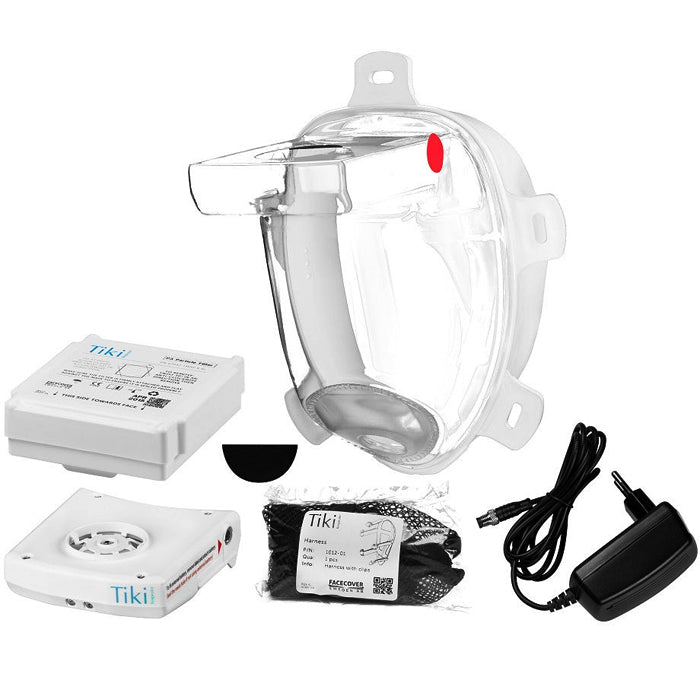
Il pacchetto include:

  • Visiera in taglia a scelta (media o grande)
  • Cinghia elastica
  • Due filtri P3 (uno per l'inspirazione, uno per l'espirazione)
  • Ventilatore con batteria integrata
  • Caricabatterie
  • Vite di tenuta
Il prodotto è riutilizzabile?

Sì. TIKI Medical è un'alternativa sostenibile alle mascherine monouso. È riutilizzabile e può essere conservata a lungo, perfetta anche per le scorte di emergenza.

Come faccio a sapere quale taglia scegliere?

Troverete le guide alle taglie per Medium e Large nella sezione documenti scaricabili della pagina del prodotto, disponibili in svedese, inglese e tedesco.

I prezzi sono IVA inclusa?

No, tutti i prezzi sono indicati IVA esclusa. Le spese di spedizione vengono aggiunte al momento dell'ordine.

Visita il nostro canale YouTube per video più dettagliati.

TIKI YOUTUBE

Best PAPR Respirator – How to Choose the Right Powered Air-Purifying Respirator

Choosing the best PAPR (Powered Air-Purifying Respirator) isn’t about a single brand or model – it’s about finding the system that gives you the right protection level, comfort and visibility for your job.

This guide walks through what to look for in a PAPR and how TIKI’s lightweight, visor-based design fits into that picture for demanding users in construction, healthcare, laboratories and industry.

What Is a PAPR Respirator?

A PAPR (Powered Air-Purifying Respirator) uses a battery-powered blower to pull ambient air through filters and deliver clean, filtered air into a hood, mask or visor.

Unlike negative-pressure masks (such as N95, FFP2 or traditional half masks), PAPRs:
- Reduce
- Breathing
- Resistance

In European standards, high-performance PAPRs can be certified to EN12942 with TM3P protection, which corresponds to the highest particulate protection classes for powered respirators.TikiSafety AB

What Makes a PAPR the “Best” Choice?

Different industries will have different “best” options, but the core evaluation points are the same:

1. Protection level and certification

Filter class (e.g. P3, HEPA)

Certified according to relevant standards (e.g. EN12942 TM3P in Europe)

Suitable for the type of hazard (dust, aerosols, infectious agents, etc.)

2. Comfort over long shifts

Total weight of head and neck

Breathing resistance and air flow

Noise level from fan

Heat build-up inside hood or mask


3. Visibility and communication


Field of vision

Fogging or condensation

Ability to communicate with colleagues and patients or customers

4. Ease of use and maintenance

How quickly the system can be put on and taken off

How easy it is to clean and disinfect

Filter replacement and battery management

5. Adaptability to your work


Compatibility with other personal protective equipment (helmets, hearing protection)

Suitability for your environment: construction dust, quartz dust, laboratory environments, healthcare, etc.

The “best PAPR respirator” is the one that scores highly across these factors for your specific tasks.

PAPR vs Traditional Respirators (N95 / FFP2 / Half Masks)

Negative-pressure respirators (e.g. N95 or FFP2 masks) rely on your lungs to pull air through the filter. That means:

Higher breathing resistance

More fatigue over time

Regulatory data on Assigned Protection Factors (APF) show that powered respirators generally offer significantly higher protection than standard filtering facepieces and even many full-face negative-pressure masks, particularly in real-world workplace conditions.

For environments with high dust levels, infectious aerosols or long exposure durations, PAPRs are often recommended as the preferred solution.

How TIKI Fits Into the “Best PAPR” Discussion

TIKI is a Scandinavian-developed PAPR system designed to solve several common problems seen in traditional powered respirators:

Lightweight, visor-based design

Instead of a heavy helmet, belt-mounted blower and hoses, TIKI integrates:

- fan unit inside the visor
- P3 filter with TM3P-level protection according to EN12942TikiSafety AB

- An elastic harness that keeps everything in place


This reduces weight, simplifies donning and increases freedom of movement.

Clear, fog-free field of view

The panoramic visor is designed to maintain clear vision and visual contact with colleagues, which is critical in:

- Construction and renovation
- Healthcare and emergency situations
- Laboratory and industrial work where hand signals and facial expressions are important

Self-regulating airflow for comfort

TIKI’s fan automatically adjusts airflow to maintain comfort and positive pressure inside the visor, helping to:

- Keep the breathing resistance low

- Reduce fatigue

- Maintain consistent protection under varying workloads

High-level particulate protection (P3 / TM3P)

With its P3 filter and EN12942 TM3P certification, TIKI is designed for tasks involving:

- Quartz dust, construction and stone dust

- Industrial dust and aerosols

- Airborne infectious particles in healthcare and laboratories

Rather than claiming to be “the single best PAPR respirator for everyone”, TIKI is built as a high-performance alternative for professionals who value:

- Maximum mobility

- High visibility

- Real comfort during long shifts

When a PAPR Like TIKI Is Often the Best Option

A PAPR system may be the best respirator choice if you:

- Working daily in a dusty or contaminated air (quartz dust, construction, sanding, grinding)

- Need extended wear time without excessive fatigue

- Demands a clear view of your surroundings and team

- Do you want a reusable, sustainable solution instead of constant disposable mask use

If these points describe your workplace, a modern PAPR such as TIKI is often a better long-term solution than traditional disposable or half-mask respirators.

Choosing Your Best PAPR in the TIKI Range

Within the TIKI range, you can choose a PAPR configuration that matches your field:


TIKI START the core system for demanding dust and particle environments

- TIKI Pro/Multi/Medical – specialised versions tailored towards industry, multi-use settings and medical environments

- Filter and visor package – for ongoing use and replacement cycles

Each system shares the same core principles: powered filtration, high protection level, low breathing resistance and excellent visibility.